Cavity Prevention
Frequent sugar exposure, certain eating habits and inadequate brushing can increase a child’s risk of cavities. Limiting sugary foods and drinks while maintaining regular brushing can help protect the teeth.
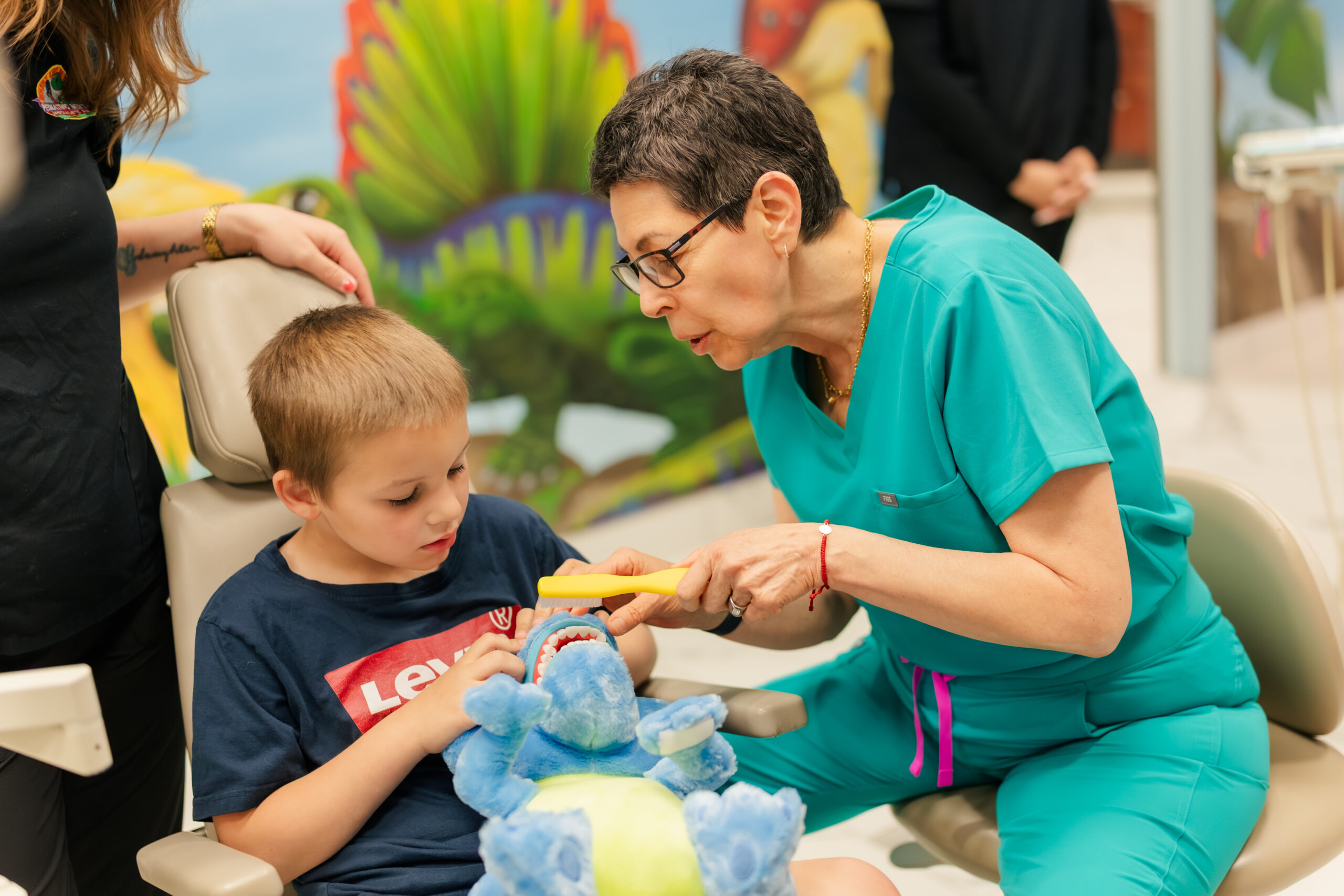
Most of the time cavities are due to a diet high in sugary foods, drinks and a lack of brushing.
Limiting sugar intake and brushing regularly, of course, can help. The longer it takes your child to chew their foods the longer the residue stays on their teeth, the greater the chances of getting cavities.
Every time someone eats, an acid reaction occurs inside their mouth as the bacteria digests the sugars. This reaction lasts approximately 20 minutes. During this time the acid environment can destroy the tooth structure, eventually leading to cavities.
Consistency of a person’s saliva also makes a difference, thinner saliva breaks up and washes away food more quickly. When a person eats diets high in carbohydrates and sugars they tend to have thicker saliva, which in turn more of the acid-producing bacteria that causes cavities.
Tips for cavity prevention:
1. Limit Frequency of meals and snacks.
2. Encourage brushing, flossing and rinsing.
3. Watch what you drink.
4. Avoid sticky foods.
5. Make treats part of meals.
6. Choose nutritious snacks.
7. Drink an adequate amount of tap water daily.
The first baby teeth come into the mouth are the two bottom front teeth. You will notice this when your baby is about 6-8 months old. Next to follow will be the 4 upper front teeth and the remainder of your baby’s teeth will appear periodically. They will usually appear in pairs along the sides of the jaw until the child is about 2 1/2 years old.
By age 3 your child should have all 20 teeth. Between the ages of 5 and 7 the first permanent teeth will begin to erupt. Some of the permanent teeth replace baby teeth and some don’t. Don’t worry if some teeth are a few months early or late as all children are different.
Baby teeth are important as they not only hold space for permanent teeth but they are important to chewing, biting, speech and appearance.
For this reason it is important to maintain a healthy diet and good daily oral hygiene.
“The information on this site is provided for educational or informative purposes only; it is not intended to be a substitute for professional advice, recommendations or treatment”.